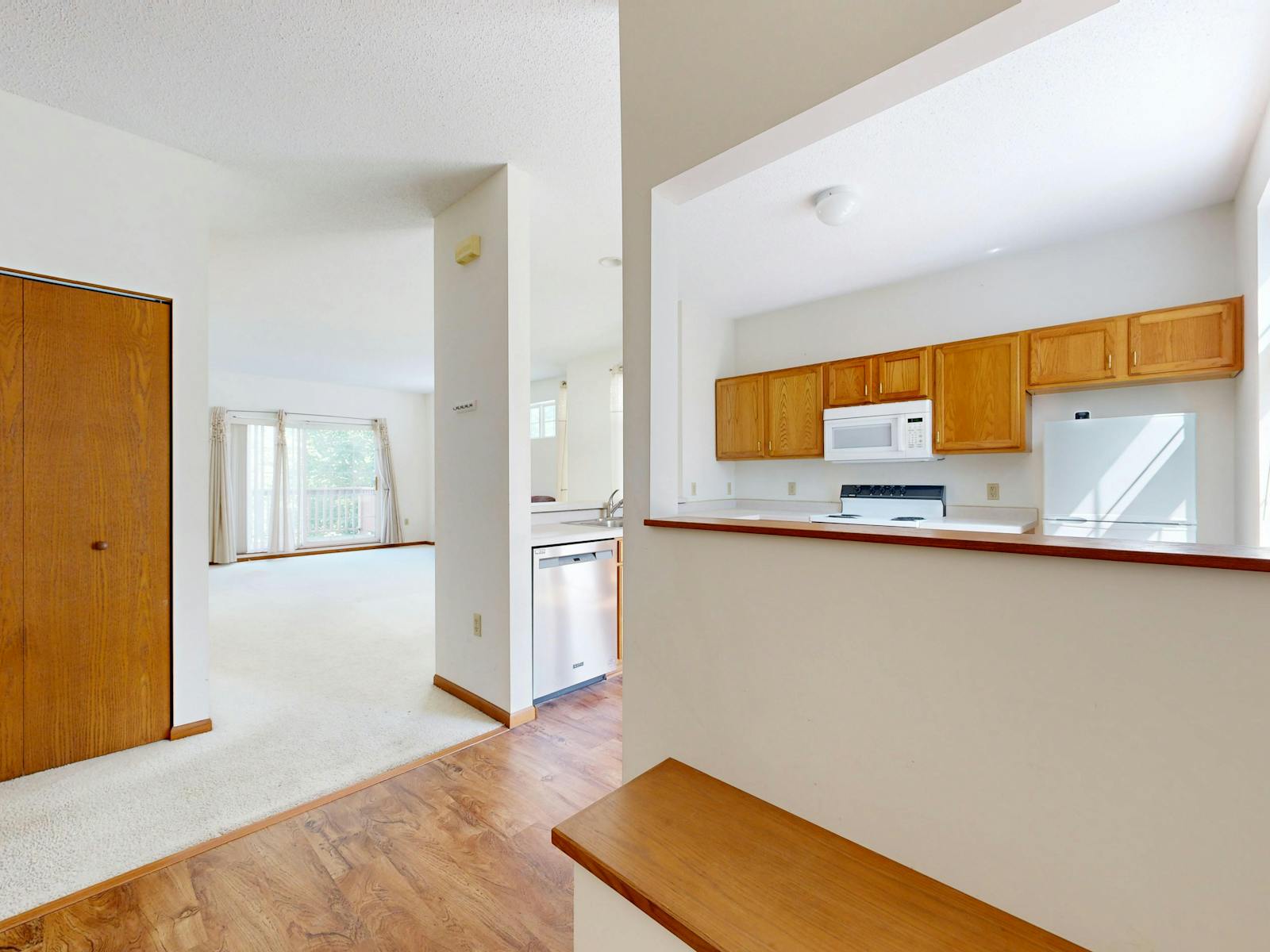
Thinking about opening up your floor plan? Here is what Los Angeles homeowners should know about costs, structural work, permits, and design decisions for an open concept renovation in 2026.

Thinking about opening up your floor plan? Here is what Los Angeles homeowners should know about costs, structural work, permits, and design decisions for an open concept renovation in 2026.
Thinking about building an ADU in Los Angeles? This complete 2026 guide covers ADU costs in Calabasas and the West Valley, permit requirements, construction timelines, financing options, and how to choose the right contractor — everything you need to know to add rental income and property value with an Accessory Dwelling Unit.
Thinking about adding square footage to your Los Angeles home? This complete 2026 guide covers room addition costs in Calabasas and the West Valley, permit requirements, popular addition types, and how to choose the right contractor for your project.
Planning a bathroom remodel in Los Angeles? Learn about realistic 2026 costs from powder rooms to luxury primary suites, the hottest design trends in Calabasas and the West Valley, permit requirements, and how to choose the right LA bathroom remodeling contractor.
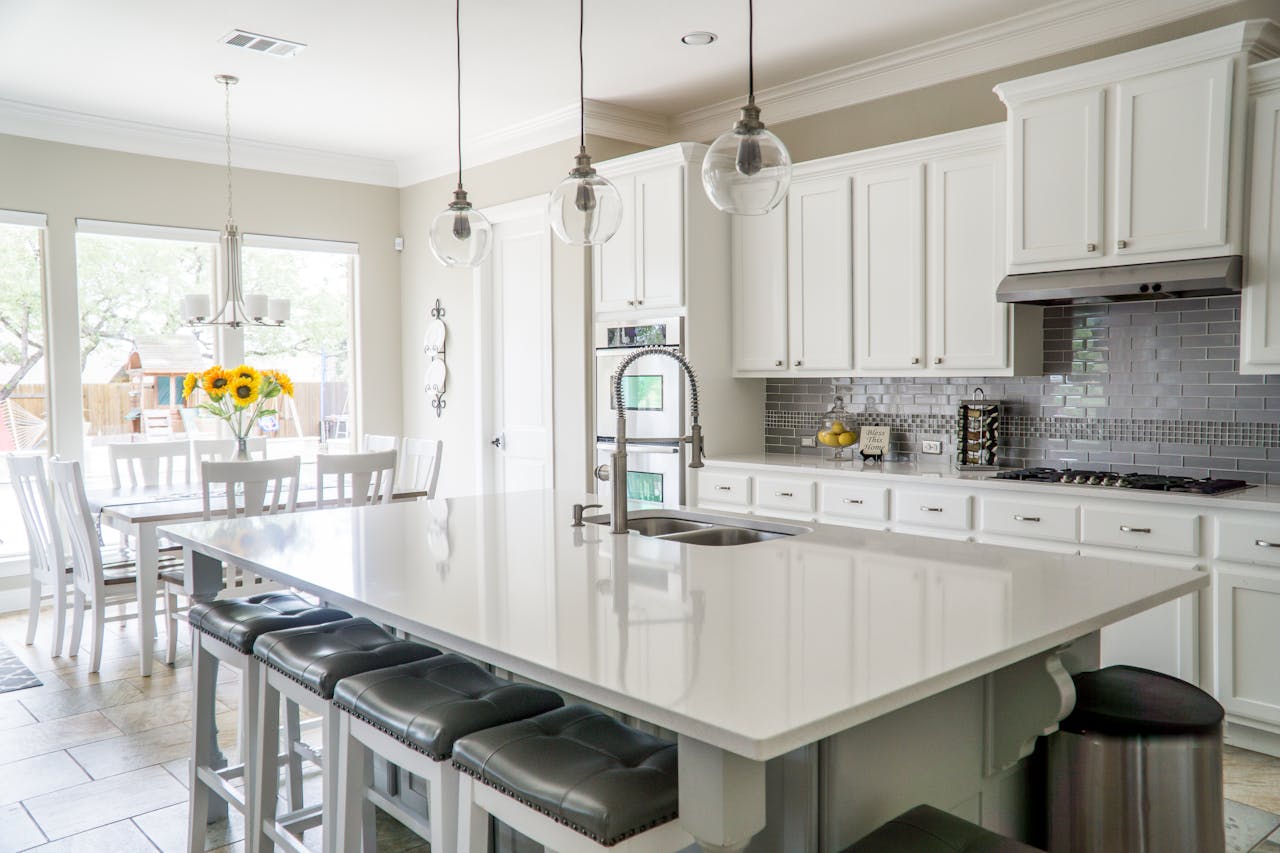
Planning a kitchen remodel in Los Angeles? Learn about 2026 costs, the hottest design trends in Calabasas and the West Valley, what permits you need, and how to choose the right contractor for your LA kitchen renovation.
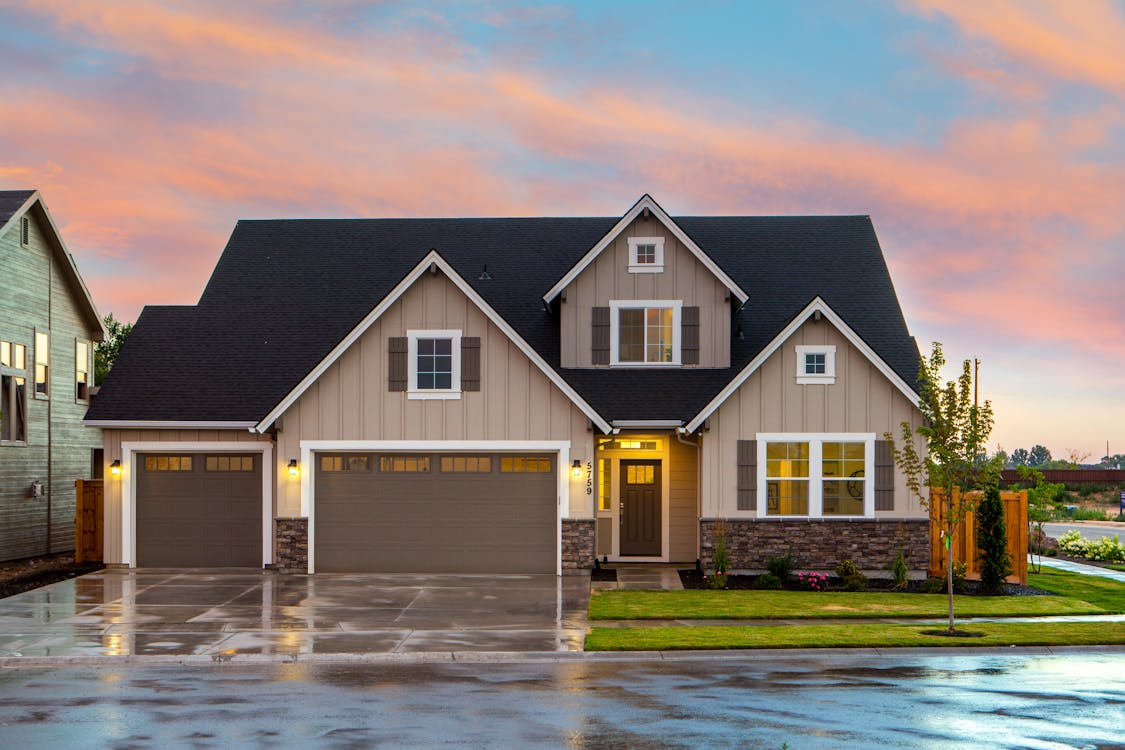
Everything Los Angeles homeowners need to know about ADU construction in 2026 — costs, permits, design trends, financing, and how to maximize ROI with a backyard cottage or garage conversion.
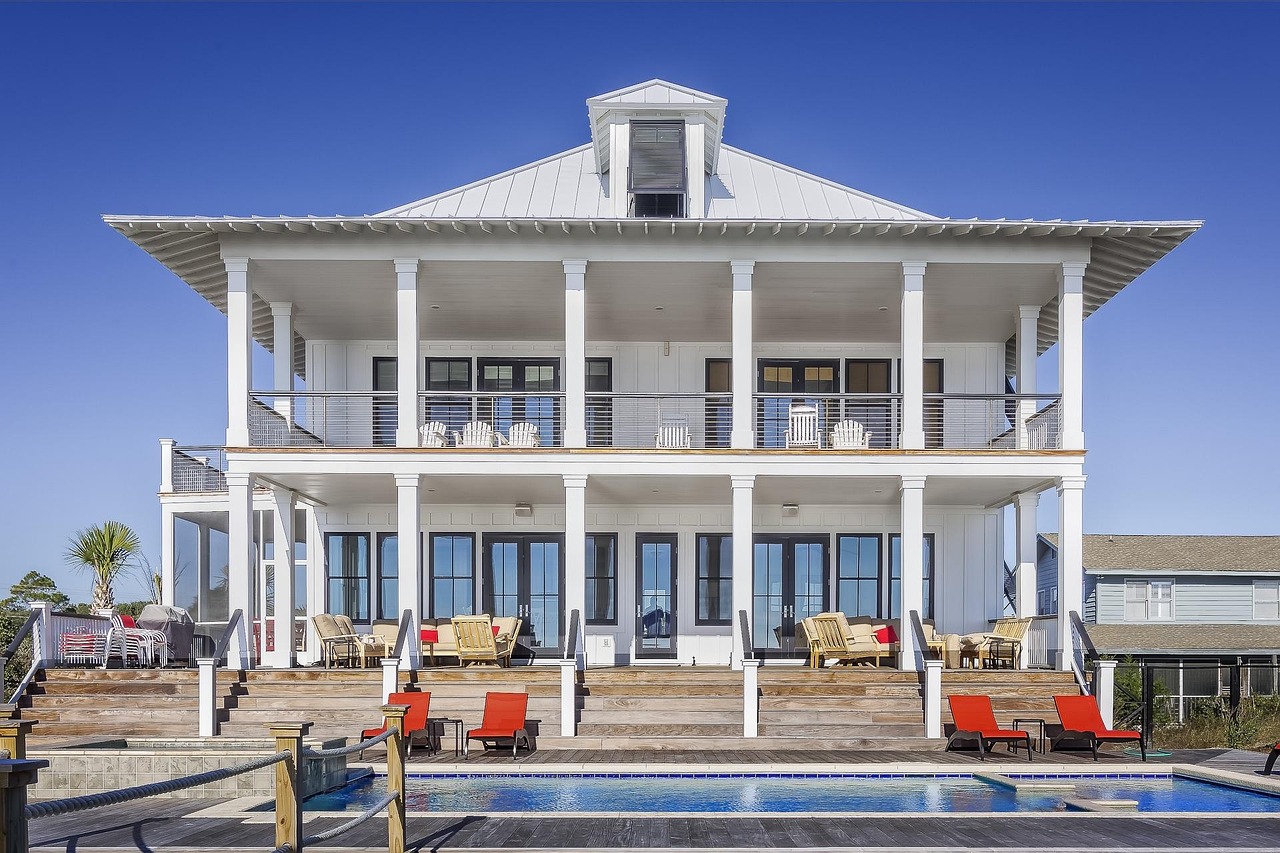
Protect your Los Angeles home from wildfire risk with fire-resistant renovation strategies. Learn about ember-resistant vents, fire-rated roofing, defensible space landscaping, and the latest 2026 building codes for LA homeowners.
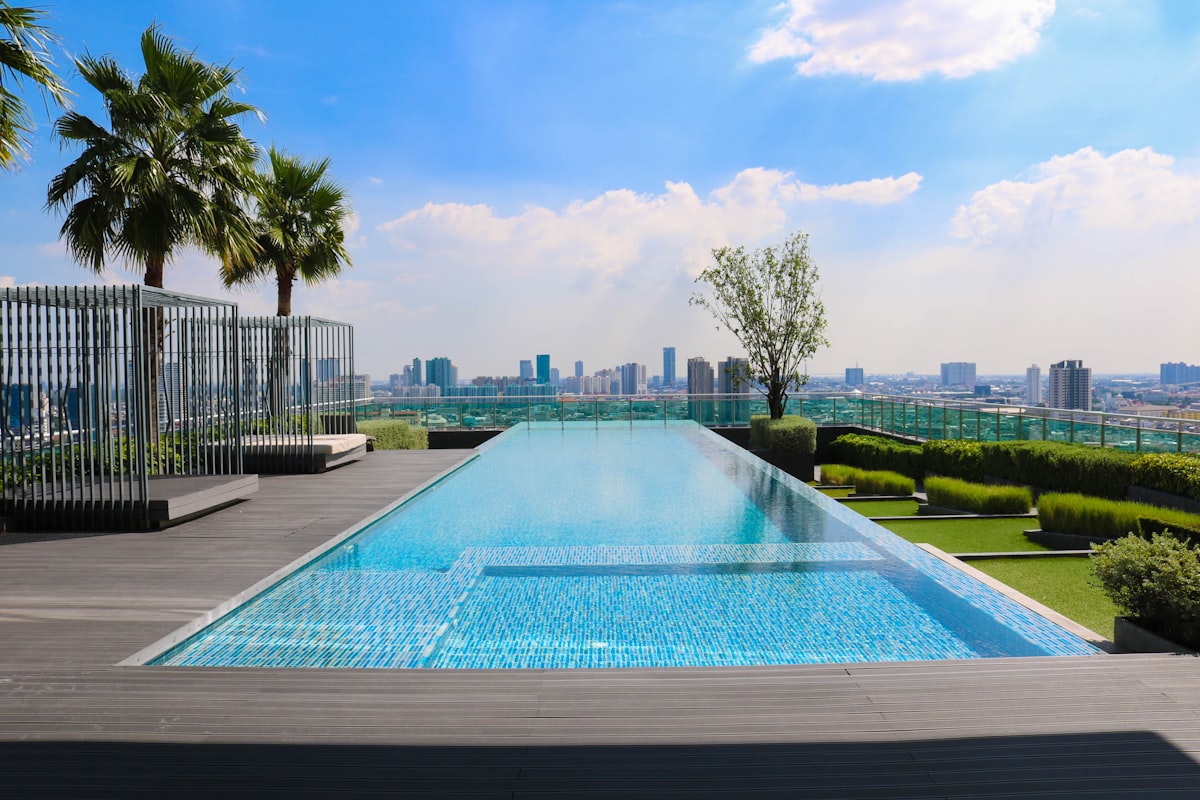
Planning a luxury swimming pool in Los Angeles? Learn about custom pool design costs, 2026 trends like infinity edges and smart technology, construction timelines, and what affluent LA homeowners need to know before breaking ground.
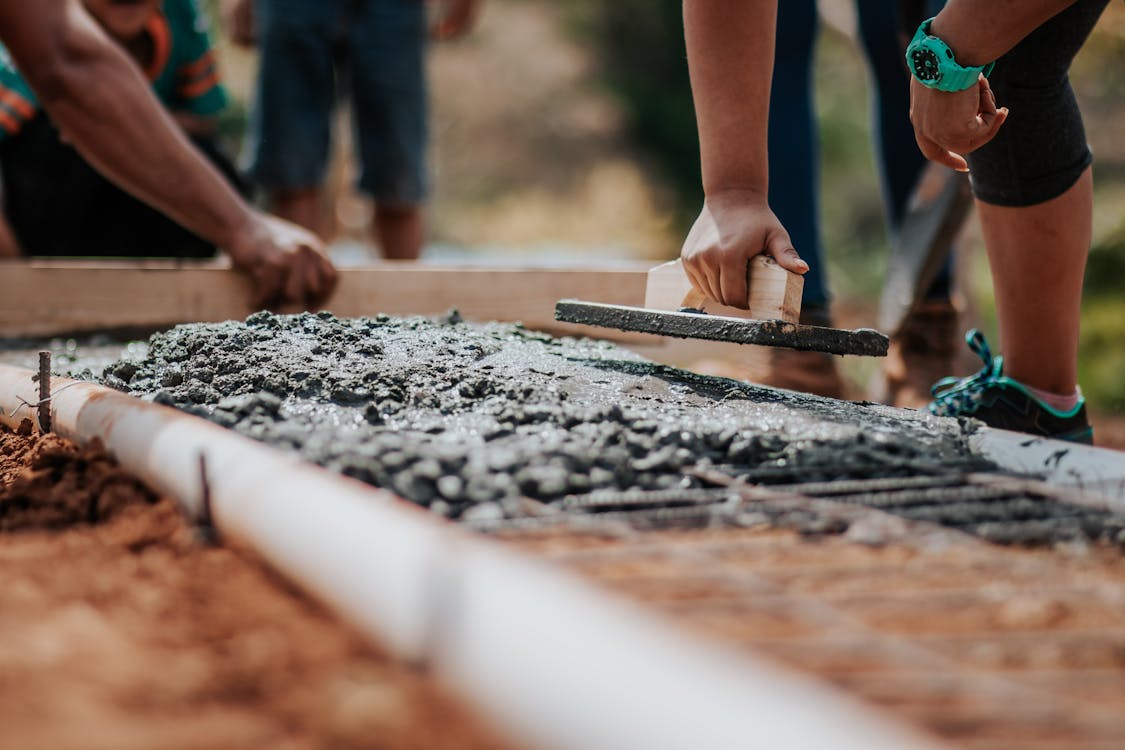
Why Fire-Resistant Home Improvements Are Essential for LA Homeowners Living in Los Angeles means living with wildfire risk. From the hills of Calabasas and Malibu to the canyons of Pacific Palisades and Topanga, thousands of homes sit in or near designated fire zones. The devastating fires that have hit Southern California in recent years — and the increasingly dry, windy conditions driven by climate change — have made one thing clear: fire-resistant home upgrades aren’t optional anymore. They’re a critical investment in your family’s safety and your property’s long-term value. Whether you’re planning a full renovation or looking for targeted improvements, hardening your home against wildfire is one of the smartest things you can do as an LA homeowner in 2026. This guide covers the most effective fire-resistant upgrades, what they cost, and how to integrate them into your next remodeling project. Understanding Wildfire Risk Zones in Los Angeles Before diving into upgrades, it’s important to understand where your home falls on the fire risk spectrum. The City of Los Angeles and LA County designate properties using several classifications: • Very High Fire Hazard Severity Zone (VHFHSZ): The highest risk category within city limits. Neighborhoods like Bel Air, Hollywood Hills, Calabasas, and parts of the San Fernando Valley fall in this zone.• State Responsibility Areas (SRA): Unincorporated areas where CAL FIRE has primary responsibility. Many foothill and canyon communities are included.• Wildland-Urban Interface (WUI): The transition zone where developed areas meet undeveloped wildland. This is where most structure losses occur during wildfires. If your home is in or near any of these zones, fire-resistant upgrades should be at the top of your renovation priority list. Even if you’re not in a designated zone, the ember exposure from nearby fires can threaten properties miles away — as LA homeowners learned during the 2025 Palisades and Eaton fires. The Most Effective Fire-Resistant Home Upgrades 1. Fire-Rated Roofing Your roof is the single most vulnerable part of your home during a wildfire. Embers can travel miles on the wind and land on combustible roofing materials, igniting your home even when flames are nowhere nearby. Upgrading to a Class A fire-rated roof is the most impactful improvement you can make. The best fire-resistant roofing options for Los Angeles homes include: • Concrete or clay tile: The classic Southern California look. Naturally fire-resistant and lasts 50+ years. Cost: $15 – $25 per square foot installed.• Metal roofing (standing seam): Lightweight, non-combustible, and increasingly popular in modern LA renovations. Cost: $12 – $22 per square foot installed.• Composite/synthetic slate: Offers the look of natural slate with Class A fire rating and lower weight. Cost: $10 – $18 per square foot installed. Don’t forget the underlayment. California building code now requires fire-resistant underlayment beneath roofing in VHFHSZ areas. Your contractor should use products that meet ASTM E108 standards. 2. Ember-Resistant Vents and Eaves Embers enter homes through vents, eaves, and small gaps more often than through direct flame contact. Retrofitting your vents is one of the most cost-effective fire safety upgrades available: • Replace standard attic and foundation vents with ember-resistant vents (1/8-inch or smaller mesh, or specialized ember-blocking designs). Cost: $50 – $150 per vent, plus installation.• Enclose open eaves with fire-resistant soffit material. Open eaves are a major vulnerability — embers get trapped underneath and ignite the roof structure.• Seal gaps around pipes, wires, and utilities entering the home with fire-rated caulk and materials. Total cost for a comprehensive vent and eave retrofit on a typical LA home: $3,000 – $8,000. 3. Fire-Resistant Exterior Siding and Cladding If your home has wood siding — common in older homes throughout Los Angeles — replacing it with fire-resistant alternatives dramatically reduces your risk. Top choices include: • Fiber cement siding (e.g., James Hardie): The most popular choice for LA renovations. Non-combustible, termite-proof, and available in a wide range of styles. Cost: $8 – $15 per square foot installed.• Stucco: Traditional in Southern California for good reason — it’s naturally fire-resistant. A fresh three-coat stucco application costs $7 – $12 per square foot.• Natural or manufactured stone veneer: Non-combustible and adds luxury curb appeal. Cost: $15 – $35 per square foot installed.• Metal panel cladding: Used in modern and contemporary designs. Completely non-combustible. Cost: $12 – $25 per square foot. When replacing siding, your contractor should also address the sheathing and weather-resistant barrier behind it to meet current California fire code requirements. 4. Fire-Rated Windows and Doors Windows are another critical vulnerability point. Radiant heat from nearby flames can shatter single-pane glass, allowing embers and flames inside. Upgrading to dual-pane tempered glass significantly improves resistance: • Dual-pane tempered glass windows: Required in new construction within fire zones. Retrofit cost: $500 – $1,200 per window depending on size and frame material.• Fire-rated exterior doors: A 20-minute fire-rated door is the minimum standard for homes in VHFHSZ areas. Upgrade cost: $800 – $3,000 per door for quality fire-rated entry doors.• Metal screens or shutters: Provide an additional layer of protection, particularly useful for large windows or glass doors facing wildland areas. 5. Defensible Space and Hardscaping While not strictly a “home upgrade,” creating proper defensible space is required by law in fire zones and is a critical part of any fire-resistant renovation plan: • Zone 1 (0-5 feet from structure): The ember-resistant zone. Use non-combustible materials — gravel, stone, concrete pavers — immediately around your home. No plants, mulch, or combustible materials touching the structure.• Zone 2 (5-30 feet): Lean, clean, and green. Fire-resistant landscaping with proper spacing. Irrigated succulents, native drought-resistant plants, and hardscape elements.• Zone 3 (30-100 feet): Reduced fuel zone with thinned vegetation, removed dead plants, and proper tree spacing. Hardscaping within defensible space — including fire-resistant patios, stone walkways, and concrete retaining walls — typically costs $15,000 – $50,000 for LA properties, depending on the scope and terrain. What These Upgrades Cost: Full Budget Breakdown for 2026 Here’s what Los Angeles homeowners can expect to invest in comprehensive fire-resistant upgrades: Basic fire hardening package (ember-resistant … Fire-Resistant Home Upgrades in Los Angeles: Protecting Your Property in Wildfire Country (2026 Guide)
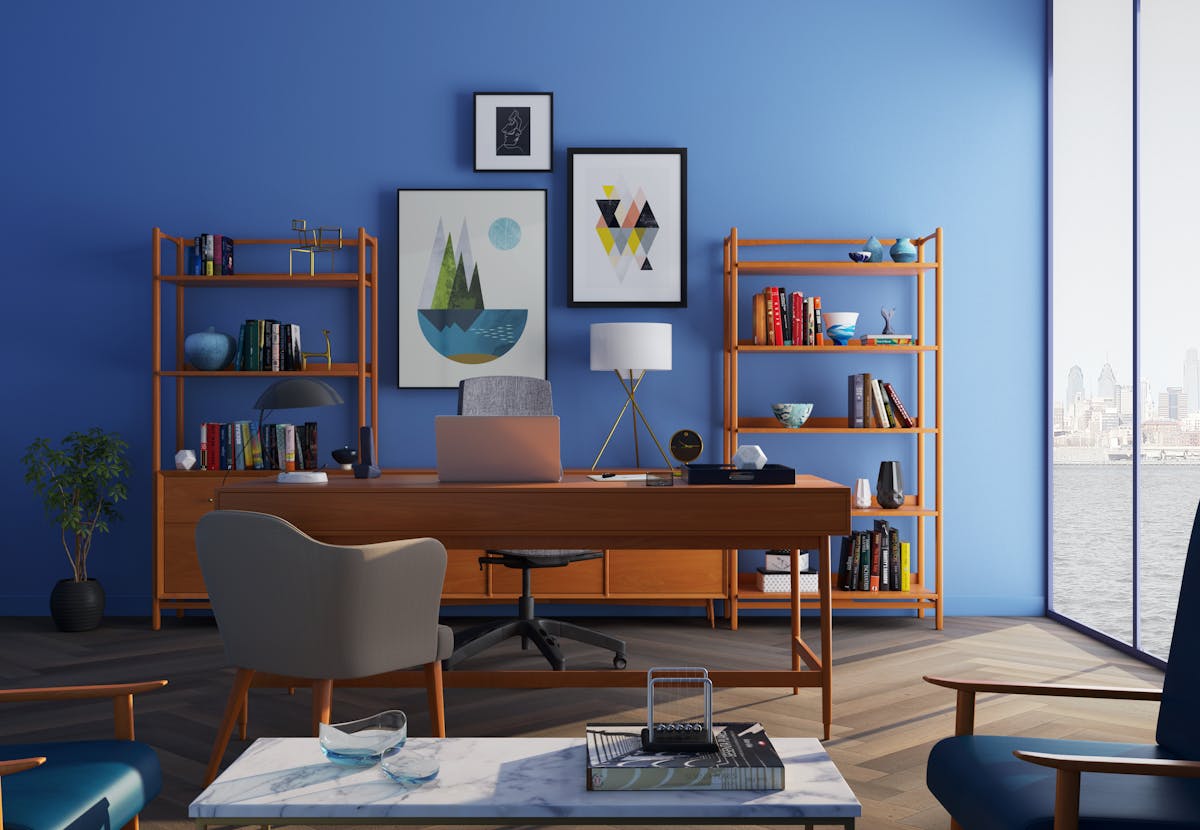
Why LA Professionals Are Investing in Dedicated Home Office Spaces The home office has become one of the most requested renovation projects in Los Angeles. Whether you’re an executive working hybrid, a business owner taking calls from home, or a creative professional who needs a dedicated studio space, a well-designed home office is no longer optional — it’s essential infrastructure for how affluent Angelenos work in 2026. Unlike the makeshift desk-in-the-corner setups that got people through 2020, today’s custom home offices are purpose-built rooms with professional-grade acoustics, lighting, and technology. And in the competitive LA real estate market, a high-quality home office adds measurable value to your property. Key Design Elements of a Luxury Home Office Soundproofing and Acoustic Treatment: If you take video calls or need focused concentration, sound isolation is non-negotiable. This means adding mass-loaded vinyl (MLV) to walls, using resilient channel or decoupled wall assemblies, installing solid-core doors with acoustic seals, and treating the ceiling. A properly soundproofed home office lets you take a confidential call while your family goes about their day in the next room. Professional Lighting Design: Good lighting transforms a home office from functional to exceptional. Layer three types: ambient lighting (recessed LED or cove lighting for overall illumination), task lighting (adjustable desk lamps with proper color temperature), and video-call lighting (soft, front-facing light that makes you look professional on camera). Avoid placing your desk directly in front of or behind a window — side lighting is ideal for reducing screen glare while maintaining natural light. Built-In Cabinetry and Storage: Custom built-ins maximize every inch of your office space while creating a polished, organized look. Consider floor-to-ceiling bookshelves, a built-in credenza behind your desk for equipment and supplies, and concealed cable management systems. In LA, custom cabinetry for a home office typically runs $8,000 – $25,000 depending on materials and complexity. Climate Control: A dedicated mini-split HVAC unit for your office ensures consistent comfort regardless of what’s happening in the rest of the house. This is especially important in Los Angeles, where afternoon sun can turn a west-facing room into an oven. A ductless mini-split installation typically costs $3,000 – $5,500 for a single zone. Home Office Renovation Costs in Los Angeles (2026) Here’s what LA homeowners are spending on custom home office renovations this year: Converting an existing room (paint, lighting upgrade, built-in desk, basic electrical): $10,000 – $25,000 Mid-range custom office (soundproofing, custom cabinetry, dedicated HVAC, professional lighting, technology integration): $30,000 – $65,000 High-end executive office (full sound isolation, premium materials like walnut or white oak, integrated AV system, separate entrance, bathroom access): $70,000 – $150,000 Office addition or conversion from garage/ADU: $100,000 – $250,000+ (includes structural work, permitting, and full buildout) These numbers reflect current LA labor and material costs. Permitting adds 8-16 weeks to your timeline for any project that involves structural changes or electrical panel upgrades. The Video Call Background: A Real Design Consideration It might sound superficial, but the wall behind your desk is now part of your professional image. Interior designers in LA increasingly plan the “camera wall” as a deliberate design element. Popular approaches include: • A curated bookshelf with a mix of books, art objects, and subtle personal items • Textured wall treatments like wood slat panels, limewash, or architectural stone • A single statement piece of art with accent lighting • Living plant walls or strategically placed greenery The goal is a background that reads as polished and intentional without being distracting. Your contractor and designer should mock up the camera angle during the design phase so you can approve the look before construction begins. Electrical and Technology Infrastructure A professional home office needs more electrical capacity than most homeowners expect. Plan for: • A dedicated 20-amp circuit (or two) for computer equipment • Multiple hardwired Ethernet drops — at minimum, one at the desk and one for a secondary workspace • USB-C and USB-A outlets built into the desk area for convenient device charging • A small UPS (uninterruptible power supply) to protect against LA’s occasional power fluctuations • Conduit runs for future cabling needs If your home’s electrical panel is already near capacity — common in older homes in neighborhoods like Hancock Park, Silver Lake, or Pasadena — you may need a panel upgrade as part of the project. Budget $2,500 – $5,000 for a panel upgrade in Los Angeles. Return on Investment: What a Home Office Adds to Your Property Value In the Los Angeles real estate market, a well-executed home office renovation typically recoups 55-75% of its cost at resale. But the real ROI is in how you use it daily. Professionals who invest in a proper home workspace report higher productivity, fewer distractions, and a clearer boundary between work and personal life. For high-income earners in Los Angeles, the tax implications are also worth discussing with your CPA. If you use your home office exclusively and regularly for business, a portion of your renovation costs may be deductible. This doesn’t change the design, but it can improve the financial equation. Ready to Build Your Ideal Home Office? Whether you’re converting a spare bedroom, finishing a garage, or adding square footage to your home, HeyBuilders can help you design and build a home office that matches how you actually work. Get in touch for a free consultation and let’s plan your project.