
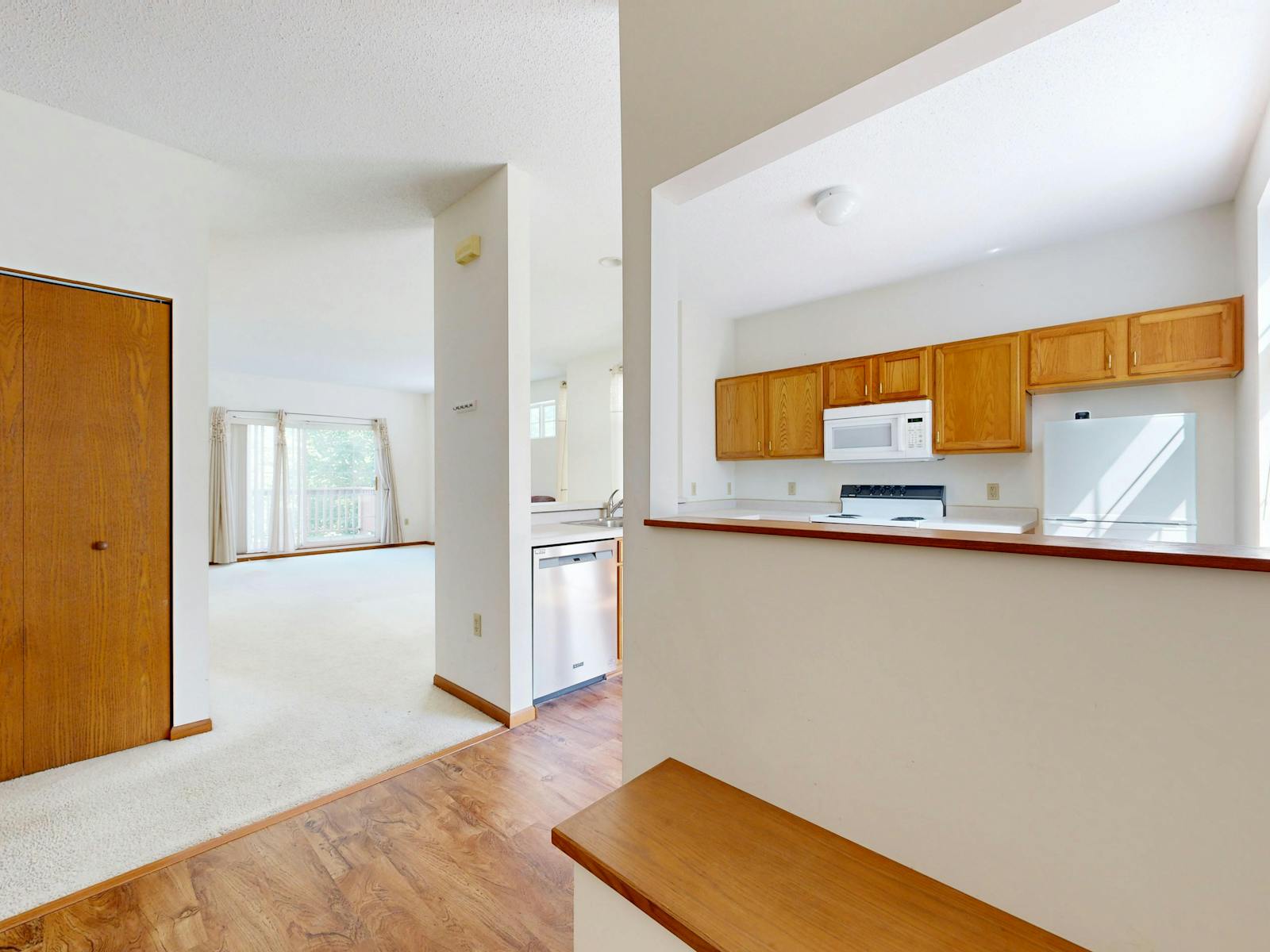
Open Concept Renovations in Los Angeles: Costs, Structural Changes, and Permit Tips for 2026
Open concept living is still one of the most requested renovation styles in Los Angeles, and it is easy to see why. Homeowners want brighter interiors, better flow, improved sightlines, and more flexible spaces for cooking, entertaining, and everyday family life. In neighborhoods across Calabasas, Woodland Hills, Encino, Studio City, Sherman Oaks, and greater Los Angeles, many older homes were built with compartmentalized layouts that no longer match how people live today.
An open concept renovation can completely transform the feel and function of a home, but it is not as simple as knocking down a wall. In Los Angeles, these projects often involve structural engineering, permit approvals, electrical and HVAC updates, finish coordination, and budget planning that reflects local construction costs. If the work is done correctly, the result can be a more spacious, modern, and valuable home. If it is rushed or poorly planned, the project can create delays, cost overruns, and code issues.
This guide explains what Los Angeles homeowners should know before starting an open concept remodel in 2026, including the biggest design considerations, the real cost drivers, the permit process, and how to decide whether this kind of renovation is the right fit for your property.
Why Open Concept Renovations Remain Popular in Los Angeles
Los Angeles homes are often designed around lifestyle, natural light, indoor-outdoor connection, and entertaining. That makes open layouts especially appealing. By combining the kitchen, dining, and living areas into one cohesive space, homeowners can make a house feel larger without necessarily adding square footage.
For growing families, an open floor plan improves visibility and daily convenience. Parents can cook while watching children, hosts can interact with guests more easily, and the home generally feels more connected. In luxury remodels, open concept design also creates a cleaner architectural look that pairs well with large islands, custom cabinetry, wide-plank flooring, recessed lighting, and expansive sliding doors to outdoor living areas.
In a place like Los Angeles, where real estate values are high, many homeowners would rather reconfigure their existing floor plan than move. Opening the main living areas can be one of the most impactful ways to modernize an older home and increase enjoyment of the space.
What an Open Concept Remodel Usually Includes
Every home is different, but most open concept renovation projects involve one or more of the following:
Removing a wall between the kitchen and dining room, opening the kitchen to the family room, reworking a cramped entry sequence, enlarging sightlines to the backyard, or creating a larger central gathering area. In many cases, the renovation also includes new flooring throughout the connected space, new kitchen cabinetry, countertop replacement, upgraded lighting, paint, trim, and layout adjustments for appliances or plumbing fixtures.
Once walls are removed, hidden conditions often need to be addressed. That can include rerouting electrical wiring, moving air ducts, relocating switches, patching ceilings, updating framing, or installing new beams and posts where a removed wall was carrying structural loads. Because of that, open concept renovations should be treated as full remodeling projects, not cosmetic updates.
Structural Changes: The Most Important Part of the Project
The first major question is whether the wall you want to remove is load bearing. In Los Angeles, many walls between kitchens, dining rooms, and living spaces are structural, especially in older one-story homes and properties with modified roof framing. If a wall supports roof loads, ceiling joists, or a second floor, it cannot simply be demolished without a structural plan.
When a load-bearing wall is removed, the structural support usually has to be replaced with a properly sized beam and, in some cases, posts and new footings. The exact solution depends on span, loads, framing conditions, and local code requirements. An experienced remodeling contractor will usually coordinate with a structural engineer to evaluate the home and prepare the required plans for permit approval.
This is one of the reasons professional planning matters so much. Structural mistakes can affect safety, inspection approvals, and resale. They can also create visible problems later, such as sagging ceilings, cracked finishes, or uneven floors. Homeowners in Los Angeles should be cautious about anyone who suggests removing walls without engineering review when the structural role is unclear.
Do You Need a Permit for an Open Floor Plan Renovation in Los Angeles?
In most cases, yes. If your project involves removing or altering walls, changing structural framing, relocating plumbing or electrical components, or making significant mechanical updates, permits are typically required. The exact department and review path depend on whether the property is in the City of Los Angeles or another local jurisdiction such as Calabasas, but the principle is the same: structural and systems work should be permitted.
Permit requirements are not just red tape. They help confirm that the beam sizing, connections, electrical work, and related construction meet code. Skipping permits may seem faster at the beginning, but it can cause major problems later during inspections, refinancing, insurance claims, or sale disclosures.
A well-managed contractor will help prepare plans, coordinate engineering, submit the project for permit review, and sequence the work so inspections happen at the right stages. That kind of planning reduces surprises and keeps the renovation moving.
How Much Does an Open Concept Renovation Cost in Los Angeles in 2026?
Costs vary widely based on the size of the space, the amount of structural work, the level of finishes, and whether the project is tied to a full kitchen remodel. In Los Angeles, a simple non-structural opening with finish repairs may cost far less than a luxury renovation involving a large steel or engineered beam, custom cabinetry, flooring replacement, lighting redesign, and premium materials throughout.
As a broad planning range, homeowners should expect smaller open layout remodels to start in the tens of thousands, while larger structural renovations paired with kitchen remodeling frequently reach the mid five figures or more. High-end projects in Calabasas and other luxury neighborhoods can climb well above that range depending on design complexity and finish selections.
The main cost drivers usually include:
Structural engineering and plans, permit fees, demolition and debris hauling, beam installation, electrical and HVAC modifications, drywall and ceiling repairs, flooring transitions or full flooring replacement, cabinetry changes, countertop work, painting, and finish carpentry. Temporary support during construction can also affect labor costs.
The smart way to budget is to define the scope early and include a contingency for hidden conditions. Older Los Angeles homes sometimes reveal outdated wiring, plumbing issues, or framing irregularities once walls and ceilings are opened.
Design Tips for a Better Open Layout
Opening a space is only part of the job. The real goal is to make the new layout work better. That requires thoughtful design, not just demolition.
One of the most important decisions is how to define zones within the larger room. Kitchen islands, ceiling treatments, lighting placement, flooring direction, and furniture layout can all help create organization without rebuilding visual barriers. Storage is also critical. When walls come down, you may lose upper cabinets, pantry space, or display surfaces, so the design should replace that functionality elsewhere.
Acoustics matter more in open layouts too. Hard surfaces can make a space feel louder, especially when kitchen activity, television, and conversation all happen in one connected area. Material choices such as rugs, upholstered furniture, acoustic treatments, and smart appliance selection can help maintain comfort.
Another key point is scale. The new opening should feel intentional and proportional to the home. In some properties, removing one section of wall and widening a passage creates a better result than fully eliminating every divider. A good renovation team will balance openness with structure, privacy, and architectural character.
Is an Open Concept Remodel Always the Right Choice?
Not always. Some homes benefit tremendously from a more open plan, while others work better with partial separation. If you cook frequently, need quiet spaces for work or school, or want stronger sound control, a fully open layout may not be ideal. Likewise, certain homes have original architectural details that can be diminished by over-opening the floor plan.
That is why the best remodeling decisions are based on how you actually live. A partial opening, a larger cased opening, or a reconfigured kitchen footprint may deliver the right balance without completely flattening the interior. In Los Angeles, where homes range from classic ranches to Mediterranean estates and contemporary rebuilds, there is no one-size-fits-all solution.
How Long Does the Project Take?
Timelines depend on design, engineering, permit review, material lead times, and the amount of construction involved. A relatively focused project can move faster than a full-scale kitchen and main floor remodel, but homeowners should still plan for a process that includes pre-construction design and approvals before demolition starts.
In practical terms, the permit and planning phase can take several weeks or longer depending on jurisdiction and project complexity. Construction itself may range from a few weeks for smaller scopes to a few months for more extensive structural and finish work. Clear planning, timely selections, and experienced project management are what keep schedules realistic.
Why Hiring the Right Los Angeles Remodeling Contractor Matters
An open concept remodel touches structure, design, code compliance, and day-to-day livability all at once. That makes contractor selection especially important. You want a team that understands Los Angeles permitting, coordinates engineering properly, communicates clearly about costs, and pays attention to the finish details that make the new space feel seamless.
At HeyBuilders, we help homeowners plan renovations that are both beautiful and buildable. Whether you are opening up a dated kitchen, combining living areas for better flow, or reimagining a luxury main floor in Calabasas or greater Los Angeles, we focus on smart planning, transparent execution, and results that fit the way you live.
Ready to Plan Your Open Concept Renovation?
If you are considering an open concept renovation in Los Angeles, the best first step is a professional evaluation of your existing layout, structural conditions, and renovation goals. The right plan can improve function, increase natural light, modernize your home, and create a more enjoyable everyday living experience.
Contact HeyBuilders Inc to discuss your remodeling project, budget, and design ideas. Call (818) 390-7020 or visit us at 22287 Mulholland Hwy #87, Calabasas, CA 91302 to schedule your consultation.