
HeyBuildersInc

empty

10 Kitchen Remodel Ideas for Small Spaces in Los Angeles Living in Los Angeles often means making the most of every square foot — and the kitchen is no exception. Whether you’re in a charming Calabasas condo or a cozy bungalow in Silver Lake, a small kitchen doesn’t have to feel cramped or uninspiring. With the right kitchen remodel ideas for small spaces, you can transform even the tiniest cooking area into a stylish, functional, and inviting hub of your home. At Hey Builders Inc, we’ve completed over 230 kitchen and home remodeling projects across Los Angeles, and we’ve learned that small kitchens often deliver the most dramatic transformations. Here are ten proven ideas to make your compact kitchen shine. 1. Embrace Open Shelving Swapping out bulky upper cabinets for open shelving instantly opens up a small kitchen. Floating shelves create visual depth, make everyday items easy to reach, and give you a chance to display beautiful dishware or plants. Choose wood tones for warmth or sleek metal brackets for a modern LA vibe. Open shelving also costs significantly less than custom cabinetry, making it one of the most budget-friendly kitchen remodel ideas for small spaces. 2. Maximize Natural and Layered Lighting Good lighting is a game-changer in a small kitchen. Start by maximizing natural light — consider a larger window, a skylight, or even a glass-paneled back door. Then layer in under-cabinet LED strips, pendant lights over the counter, and recessed ceiling fixtures. Multiple light sources eliminate shadows and make the room feel larger and more welcoming. In sun-drenched Los Angeles, natural light is one of your greatest design assets. 3. Optimize Your Layout The layout is the backbone of any functional kitchen. For small spaces, the galley layout (two parallel counters) and L-shaped layout are the most efficient. They keep everything within arm’s reach and minimize wasted steps. If you have a bit more room, a peninsula can replace a full island, adding counter space and casual seating without eating up floor area. A professional remodeler can help you find the layout that works best for your specific space. 4. Choose Light, Bright Colors Color has a powerful effect on how spacious a room feels. Whites, soft grays, pale blues, and warm creams reflect light and make walls seem to recede. You don’t have to go all-white — pair light cabinets with a bold backsplash or a colorful accent wall to add personality without shrinking the space. Matte and satin finishes work particularly well in small kitchens because they diffuse light evenly. 5. Invest in Smart Storage Solutions In a small kitchen, every inch counts. Think beyond standard cabinets: Pull-out pantry drawers that slide between the fridge and wall Lazy Susans in corner cabinets Magnetic knife strips and wall-mounted spice racks Toe-kick drawers beneath base cabinets Vertical dividers for baking sheets and cutting boards These solutions keep countertops clear and ensure you have a place for everything — a must for any kitchen remodel in a small space. 6. Select Compact, Multi-Functional Appliances Full-size appliances can overwhelm a small kitchen. Counter-depth refrigerators, 24-inch dishwashers, and combination microwave-convection ovens deliver full performance in a smaller footprint. Consider a single-bowl undermount sink to free up counter space, or an induction cooktop that doubles as additional prep area when not in use. These choices are especially popular among LA homeowners who want high-end functionality without sacrificing space. 7. Use Reflective and Glossy Surfaces Mirror-like finishes bounce light around the room and create the illusion of more space. A glass tile backsplash, high-gloss cabinet fronts, or polished quartz countertops can all contribute to this effect. Even a mirrored backsplash behind the stove can make a small kitchen feel nearly twice its actual size. Pair reflective surfaces with good lighting for maximum impact. 8. Extend the Space Visually with Continuous Flooring If your kitchen opens into a dining or living area, using the same flooring material throughout creates a seamless flow that makes both spaces feel larger. Large-format tiles or wide-plank hardwood minimize grout lines and visual breaks. Avoid transition strips where possible — the uninterrupted surface tricks the eye into reading the rooms as one generous space. This approach is especially effective in the open-concept layouts that many Los Angeles homes favor. 9. Add a Statement Backsplash A small kitchen gives you the perfect excuse to splurge on a stunning backsplash without breaking the bank — there’s simply less wall to cover. Handmade zellige tiles, bold geometric patterns, or a dramatic marble slab can become the focal point of the room and draw the eye upward, making the kitchen feel taller and more curated. A well-chosen backsplash adds character and can increase your home’s resale value at the same time. 10. Bring in Natural Elements Wood accents, stone countertops, and indoor herbs or small potted plants add warmth and life to a compact kitchen. A butcher-block countertop section, woven pendant lights, or rattan bar stools introduce texture without cluttering the space. In Los Angeles, where indoor-outdoor living is a way of life, natural materials help your kitchen feel connected to the surrounding landscape. What Does a Small Kitchen Remodel Cost in Los Angeles? Costs vary depending on scope, materials, and finishes, but here’s a general range for Los Angeles kitchen remodels in small spaces: Budget refresh (paint, hardware, lighting, open shelving): $5,000 – $15,000 Mid-range remodel (new cabinets, countertops, appliances, backsplash): $25,000 – $50,000 High-end renovation (custom cabinetry, premium materials, layout changes, permits): $50,000 – $90,000+ The good news? Small kitchens often cost less to remodel per project simply because there’s less square footage involved — meaning you can invest in higher-quality materials and finishes than you might afford in a larger space. Why Small Kitchens Can Be Beautiful There’s a reason some of the most photographed kitchens in design magazines are compact. Small spaces force intentional choices — every material, color, and fixture matters. The result is a kitchen that feels curated rather than cluttered, purposeful rather than sprawling. A 10 Kitchen Remodel Ideas for Small Spaces in Los Angeles
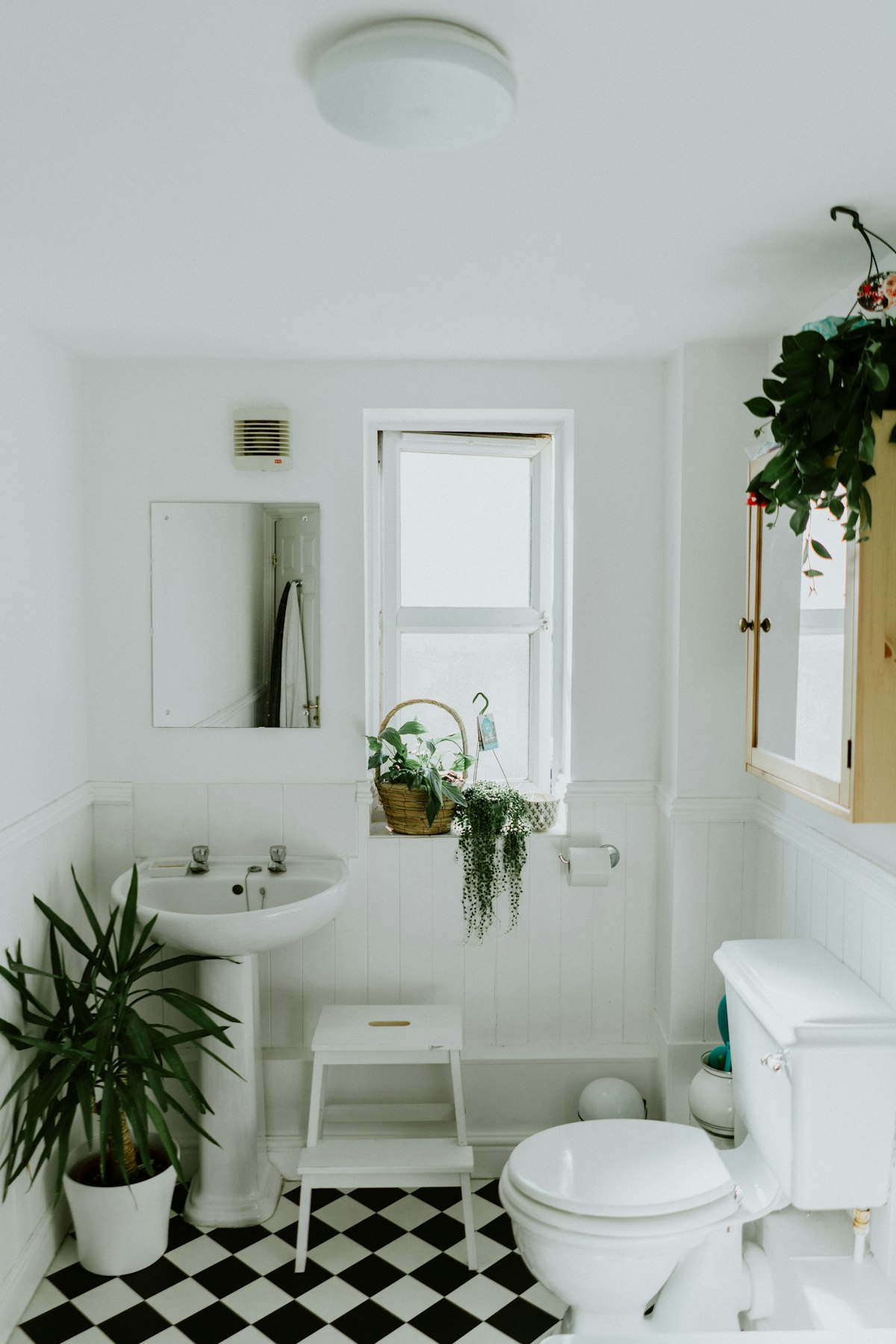
How Much Does a Bathroom Remodel Cost in Los Angeles? (2026 Guide) If you’re planning a bathroom renovation in LA, the first question on your mind is probably: how much does a bathroom remodel cost in Los Angeles? The answer depends on the scope of your project, the materials you choose, and the contractor you hire. In this guide, we break down real 2026 pricing so you can plan your budget with confidence. At Hey Builders Inc, we’ve completed over 230 bathroom and home remodeling projects across Los Angeles — from Calabasas and Woodland Hills to Santa Monica and Beverly Hills. Here’s what you can expect to spend this year. Average Bathroom Remodel Cost in Los Angeles (2026) The bathroom remodel cost in Los Angeles typically ranges from $15,000 to $75,000+ depending on the size of the bathroom and the level of finishes. Here’s a quick breakdown by tier: Budget Remodel: $15,000 – $25,000 Mid-Range Remodel: $25,000 – $50,000 Luxury Remodel: $50,000 – $75,000+ These numbers reflect standard-sized bathrooms (roughly 40–70 sq ft). Master bathrooms, especially those with expanded footprints or layout changes, will land on the higher end. Budget Bathroom Remodel ($15,000 – $25,000) A budget-friendly bathroom remodel focuses on refreshing the space without moving plumbing or making structural changes. This tier is ideal for guest bathrooms or rental properties where you want a clean, modern look without a major investment. What’s typically included: New vanity and countertop Updated faucets and fixtures Fresh tile flooring (ceramic or porcelain) Tub or shower surround replacement New paint, mirrors, and lighting Basic toilet upgrade Even at this price point, a well-planned remodel can dramatically improve the feel and function of your bathroom. Mid-Range Bathroom Remodel ($25,000 – $50,000) This is the most popular tier for LA homeowners. A mid-range remodel gives you the freedom to upgrade materials, improve the layout, and add features that make your bathroom feel like a retreat. What’s typically included: Custom or semi-custom vanity with stone countertop Porcelain or natural stone tile (floor and walls) Frameless glass shower enclosure Upgraded plumbing fixtures (Moen, Delta, Kohler) Recessed lighting and accent lighting New exhaust fan and electrical upgrades Minor layout adjustments This is where most homeowners find the sweet spot between design and value. With the right contractor, you can achieve a high-end look without crossing into luxury pricing. Luxury Bathroom Remodel ($50,000 – $75,000+) A luxury bathroom remodel in Los Angeles is a full transformation. Think spa-level finishes, premium materials, and custom everything. This tier often involves expanding the bathroom footprint or completely reconfiguring the layout. What’s typically included: Custom cabinetry and designer vanity Natural marble or large-format porcelain slabs Freestanding soaking tub Walk-in shower with rain head, body jets, and bench Heated flooring Smart mirrors, smart toilets, or integrated tech Complete plumbing and electrical relocation Custom lighting design For master bathrooms in homes across Calabasas, Encino, and Bel Air, this level of remodel is increasingly common — and it shows in the resale value. What Affects Bathroom Remodel Cost in Los Angeles? Several factors determine where your project falls on the pricing spectrum: Bathroom Size: A small half-bath costs significantly less than a full master bathroom. Square footage directly impacts material and labor costs. Plumbing Changes: Moving plumbing lines — especially in older LA homes — adds $3,000–$8,000+ to your budget. Material Selection: The gap between ceramic tile and natural marble is massive. Material choices are the single biggest cost variable you control. Permits and Code Compliance: Los Angeles requires permits for most bathroom remodels involving plumbing or electrical work. Budget $500–$2,000 for permits and inspections. Labor Costs: Skilled labor in LA is more expensive than the national average. Quality contractors charge more — but they also deliver results that last. Unexpected Issues: Water damage, mold, or outdated wiring discovered during demo can add 10–15% to your total cost. Always keep a contingency fund. How Long Does a Bathroom Remodel Take? Timeline depends on the scope of work, but here’s what most LA homeowners experience: Budget Remodel: 2 – 3 weeks Mid-Range Remodel: 3 – 5 weeks Luxury Remodel: 5 – 8 weeks Permitting in Los Angeles can add 1–3 weeks to your timeline depending on the city and scope. Working with an experienced local contractor like Hey Builders Inc helps keep your project on schedule — we handle permitting, coordination, and inspections so you don’t have to. What’s the ROI on a Bathroom Remodel? A bathroom remodel consistently ranks among the best home improvement investments. According to national remodeling data, homeowners typically recoup 60–70% of their bathroom remodel cost at resale. In competitive Los Angeles markets, that number can be even higher — especially in neighborhoods where buyers expect updated, move-in-ready homes. Beyond resale value, a remodeled bathroom improves your daily quality of life. You’ll use this space every single day — investing in it pays dividends in comfort and satisfaction long before you ever sell. Tips to Get the Most Value From Your Bathroom Remodel Set a realistic budget (and add 10–15% for contingencies). Surprises happen, especially in older homes. Plan for them. Prioritize layout over luxury. A well-designed bathroom with mid-range materials beats a poorly laid out one with expensive tile. Don’t skip the ventilation. A quality exhaust fan prevents mold and protects your investment for years to come. Hire a licensed, insured contractor. In LA, unlicensed work can void your homeowner’s insurance and create permit nightmares if you sell. Get a detailed written estimate. A reputable contractor will itemize costs so you understand exactly where your money goes. Ready to Start Your Bathroom Remodel in Los Angeles? At Hey Builders Inc, we specialize in bathroom remodeling across Los Angeles — from simple refreshes to full luxury transformations. With 230+ completed projects and a reputation built on quality craftsmanship and transparent pricing, we make the remodeling process simple and stress-free. Whether you’re updating a guest bath in Woodland Hills or building your dream master bathroom in Calabasas, we’d love to help you bring your How Much Does a Bathroom Remodel Cost in Los Angeles? (2026 Guide)

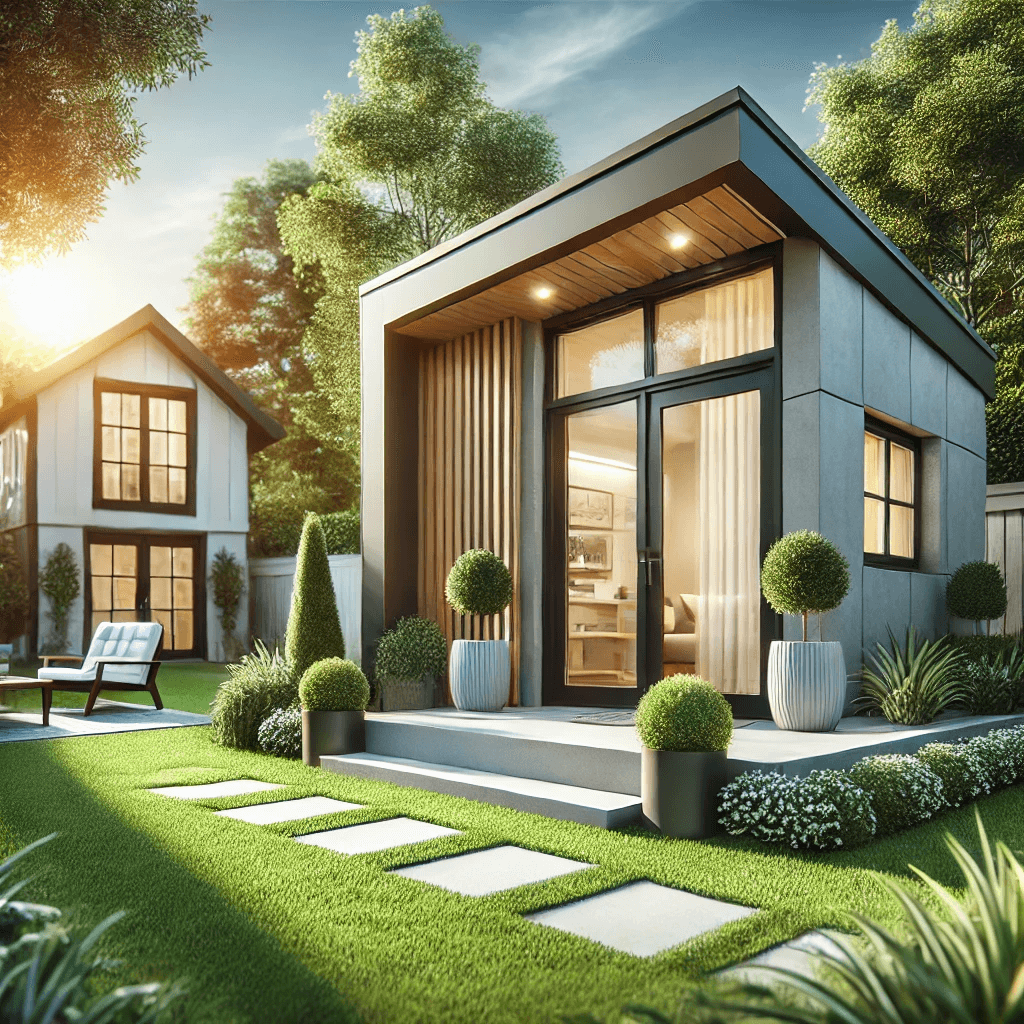
Modern garage conversion and ADU in Los Angeles - Hey Builders Inc

Why ADUs Are Booming in Los Angeles Los Angeles has become the ADU capital of the United States. With California’s progressive ADU laws, sky-high housing costs, and a growing demand for rental income, more LA homeowners than ever are converting garages and building accessory dwelling units on their property. Whether you’re looking to house a family member, generate rental income, or simply increase your property value, an ADU or garage conversion might be the smartest investment you make in 2026. What Is a Garage Conversion vs. an ADU? Garage Conversion: Transforming your existing garage into a livable space — a bedroom, home office, rental unit, or guest suite. Since the structure already exists, garage conversions are typically faster and more affordable than building from scratch. ADU (Accessory Dwelling Unit): A separate, self-contained living unit on your property. ADUs can be attached to your home, detached (a standalone structure in your backyard), or converted from existing space like a garage. They include their own kitchen, bathroom, and entrance. How Much Does a Garage Conversion Cost in Los Angeles? Here’s what LA homeowners can expect to invest: Basic garage conversion: $50,000 – $80,000 (studio or 1-bedroom, standard finishes) Mid-range conversion: $80,000 – $120,000 (quality materials, full bathroom, kitchenette) Premium conversion: $120,000 – $180,000+ (high-end finishes, full kitchen, custom design) New ADU construction: $150,000 – $300,000+ (detached, built from ground up) These costs include permits, design, construction, plumbing, electrical, and finishing. The exact price depends on your garage size, desired layout, and material choices. What’s Included in a Garage Conversion? A typical garage-to-living-space conversion involves: Foundation & Flooring: Raising the floor to meet residential code, adding insulation and finished flooring Walls & Insulation: Framing, insulation, drywall, and paint Windows & Doors: Adding egress windows (required by code) and a proper entry door Electrical: Upgrading wiring, adding outlets, lighting, and potentially a subpanel Plumbing: If adding a bathroom or kitchenette, running water and drain lines HVAC: Heating and cooling (mini-split systems are popular for conversions) Permits: Building permits, plan check, and inspections LA Building Code Requirements for ADUs (2026) California has some of the most ADU-friendly laws in the country. Key requirements for Los Angeles: Size limits: Up to 1,200 sq ft for detached ADUs; garage conversions typically 400-600 sq ft Setbacks: 4-foot side and rear setbacks for new construction; no setback required for garage conversions Parking: No replacement parking required when converting a garage to an ADU Permits: Required, but the city must approve or deny within 60 days Owner occupancy: No owner-occupancy requirement for ADUs built before 2025 (extended through recent legislation) Impact fees: Waived for ADUs under 750 sq ft The ROI: Is a Garage Conversion Worth It? Short answer: almost always yes. Here’s why: Rental income: A converted garage or ADU in LA can rent for $1,500 – $3,000+/month depending on location, size, and finishes Property value increase: Studies show ADUs can add 20-30% to your property value Payback period: Most garage conversions pay for themselves in 3-5 years through rental income Tax benefits: Depreciation and expense deductions for rental units How Long Does a Garage Conversion Take? Timeline depends on the scope: Permits: 4-8 weeks (plan submission to approval) Basic conversion: 6-10 weeks of construction Full ADU with kitchen/bathroom: 10-16 weeks New detached ADU: 16-24 weeks Total timeline from design to move-in: typically 4-6 months for a garage conversion, 6-12 months for a new ADU. 5 Tips for a Successful Garage Conversion in LA Start with a consultation: Have a professional assess your garage’s structure, foundation, and utilities before committing Think about energy efficiency: Insulation, energy-efficient windows, and a mini-split HVAC system will keep utility costs low and tenants happy Don’t skip permits: Unpermitted conversions can result in fines, and you won’t be able to legally rent the unit Plan for ventilation and natural light: Garages weren’t designed for living — proper windows and ventilation make the difference between a great space and a dark box Choose a contractor with ADU experience: Not all contractors understand LA’s ADU regulations. Work with someone who’s done it before Ready to Convert Your Garage? At Hey Builders Inc, we’ve completed 230+ home remodeling projects across Los Angeles, including dozens of garage conversions and ADU builds. We handle everything from design and permits to construction and final inspection. Get a free consultation: Call us at (877) HEY-4639 or fill out our contact form to discuss your project.

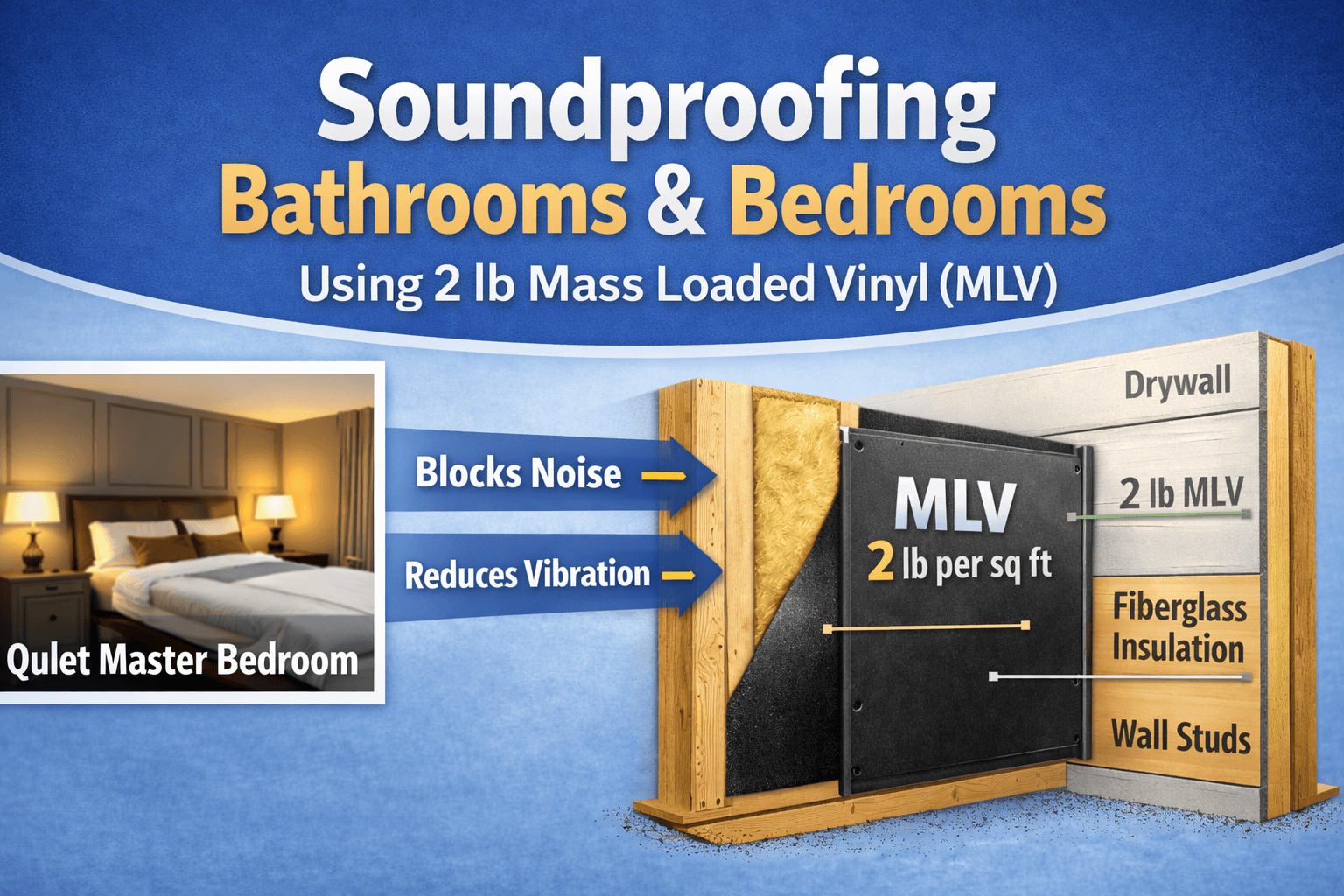
Here’s a clear, professional, trustworthy breakdown of using 2 lb Mass Loaded Vinyl (MLV) for soundproofing bathrooms and master bedroom walls – what it is, how it works, where it goes, and best-practice details. ⸻ 📌 What Is 2 lb MLV (Mass Loaded Vinyl)? 2 lb MLV is a dense, flexible sound-blocking membrane designed to add mass to partitions (walls, ceilings, floors) to reduce sound transmission.• “2 lb” refers to 2 pounds per square foot – heavier than lighter acoustic membranes, which gives it strong blocking ability.• It doesn’t absorb sound much (like acoustic panels do); instead, it prevents sound from passing through by adding mass and damping vibrations. Key Benefits ✔ Blocks airborne noise (voices, TV, bathroom noise)✔ Helps reduce impact of low-medium frequency sounds✔ Thin and flexible – fits inside stud walls without major loss of space✔ Works with other soundproof methods ⸻ 🧱 Where & Why You’d Use 2 lb MLV Bathrooms• Bathrooms are noisy spaces (toilet flushes, showers, fans, voices).• Adjacent bedrooms often suffer sound bleed.• MLV adds mass inside the wall cavity to reduce noise transfer between bathroom and bedroom (or hallway). Master Bedroom Walls• Bedrooms require quiet for sleep and comfort.• Walls shared with noisy zones (bathrooms, living rooms, kitchens) benefit from added sound blocking.• MLV significantly improves isolation when integrated properly. ⸻ 📐 How MLV Works in Walls Sound moves through walls primarily via:1. Airborne noise (voices, water sounds, fan noise)2. Structural vibration (impact through studs and drywall) MLV adds mass, which:• Slows and blocks airborne sound transmission.• Damps vibration when sandwiched between rigid layers (drywall). Mass + decoupling + absorption = best results. ⸻ 🛠 Typical Installation Method 1) Prepare Wall Cavity• Remove existing drywall if doing retrofit.• Check studs, insulation, and electrical/plumbing. 2) Add Insulation• Fill cavity with fiberglass or rockwool insulation (R-13/15 for 2×4 walls; R-19 for 2×6).Insulation reduces echo inside cavity and works with MLV to reduce sound. 3) Install MLV• Cut MLV to fit stud spacing and hang directly on wall framing.• Overlap seams by ~2″ and seal with acoustic tape.• Seal perimeter (top, bottom, edges) with acoustic sealant (caulk).Sealing edges is critical – unsealed edges leak sound. 4) Add Additional Drywall• Install one or two layers of drywall over MLV.• Use green glue between drywall layers for damping (optional but powerful).• Stagger seams of drywall layers to reduce flanking paths. 5) Finish• Tape, mud, sand, and paint as usual.• Seal electrical boxes and any penetrations with acoustic sealant. ⸻ 📏 Performance Expectations MLV does not provide perfect silence alone. Effectiveness depends on:• Insulation quality• Sealing gaps• Number of drywall layers• Use of damping compounds Typical performance improvements:• Noticeable reduction in bathroom noise entering bedroom• Better performance in mid-high frequencies• Combined with insulation & additional drywall = significant overall improvement ⸻ 🔥 Best Practices (Professional & Trusted) ✅ Seal Everything Sound leaks through gaps more easily than walls.• Use acoustic sealant around perimeter, outlets, switches, lights. ✅ Use Green Glue Between Drywall If budget allows, Green Glue + double drywall dramatically increases isolation. ✅ Avoid Rigid Connections Where possible, decouple surfaces (resilient channels or clips) to reduce vibration paths. ✅ Insulate Insulation and MLV are synergistic — one blocks, one absorbs/reflects. ✅ Address Doors & Ventilation Sound travels through:• Gaps under doors• Bathroom vents• Fans and ducting Seal or treat these areas too for maximum benefit.

Accessory Dwelling Units (ADUs) have become a popular investment choice for homeowners and real estate enthusiasts alike. These compact and functional living spaces, often built in backyards or repurposed from existing structures, offer a blend of practicality and profitability. However, like any major investment, deciding whether to build an ADU requires careful consideration. In this post, we’ll guide you through the key factors to evaluate when planning an ADU project. Define Your Purpose Understanding why you want to build an ADU is the first step. Are you looking for rental income, additional living space for family members, or increasing your property’s value? Your primary goal will influence design choices, construction budgets, and timelines. For example: Rental Income: Focus on designs that appeal to potential tenants, such as open layouts, modern finishes, and privacy. Family Use: Opt for layouts that accommodate accessibility and comfort for loved ones. Property Value: Work with experts to ensure the ADU adds long-term value to your property while adhering to local building codes. Know Your Local Regulations Building an ADU isn’t just about breaking ground; it’s about understanding the rules. Zoning laws, permits, and size restrictions vary from place to place. Research your city’s specific requirements or consult with a professional to navigate the process smoothly. In many areas, there are incentives for constructing energy-efficient ADUs or housing units that address affordability. Taking advantage of these programs can help reduce your costs while ensuring compliance. Consider Your Budget An ADU can be a significant investment, and knowing your financial limits is crucial. Beyond construction costs, factor in: Permits and fees. Landscaping and utility hookups. Long-term maintenance. If you’re planning to finance the project, explore options such as home equity loans or construction loans tailored for residential improvements. Evaluate the Return on Investment (ROI) An ADU can provide a substantial ROI when managed effectively. For rental properties, calculate potential income based on local rental rates. If the ADU is intended for resale value, compare similar properties in your area to estimate how much value the unit might add. For personal use, the ROI might not be monetary but measured in convenience, such as housing elderly relatives or providing an independent space for adult children. Work With the Right Professionals Partnering with experienced contractors, architects, and designers can make or break your project. A skilled team will not only deliver quality work but also guide you through challenges such as maximizing space, adhering to codes, and staying within budget. At HeyBuilders, we specialize in designing and building ADUs tailored to your needs. From navigating permits to final construction, we’ll make the process hassle-free. Think About Long-Term Benefits Beyond financial gain, ADUs offer long-term advantages. They can act as flexible spaces, adapting to your family’s changing needs. An ADU today might serve as a rental unit but could eventually become a guesthouse, home office, or even a retirement suite. Ready to Build Your ADU? Let’s Talk. If you’re considering an ADU but feel unsure about the next steps, HeyBuilders is here to help. We provide expert consultation, tailored designs, and seamless construction to make your vision a reality. Contact us today, and let’s discuss how an ADU can transform your property and future. Leave your details below, and we’ll get in touch to start your project!

In the construction industry, the materials you choose are as critical as the design itself. High-quality materials not only enhance the durability and aesthetics of a project but also contribute significantly to safety, sustainability, and long-term cost efficiency. At HeyBuilders, we prioritize using top-grade materials for every project, ensuring that our clients receive nothing but the best. Durability and SafetyWhen it comes to construction, safety is non-negotiable. Inferior materials can compromise structural integrity, posing risks to occupants and leading to costly repairs. High-quality materials, on the other hand, are engineered to withstand environmental stresses, such as extreme weather and wear over time. This durability translates to safer buildings and peace of mind for owners. Sustainability and Environmental ImpactModern construction isn’t just about building for today; it’s about considering tomorrow. Premium materials often incorporate sustainable practices in their production and offer better energy efficiency. For example, using recycled steel or eco-friendly concrete reduces the carbon footprint of a project while maintaining the strength and reliability required for robust structures Long-Term Cost EfficiencyWhile premium materials might come with a higher initial investment, they often save money in the long run. Superior materials reduce maintenance costs, extend the lifespan of structures, and improve energy efficiency. When you choose quality, you’re not just building; you’re investing in value. HeyBuilders: Committed to ExcellenceAt HeyBuilders, we understand that the foundation of any great project lies in the details, and materials are one of the most important details of all. Our team works closely with trusted suppliers to source the finest materials for your projects. Whether you’re building a dream home or a commercial space, you can rely on us to deliver excellence at every step. Let’s Build TogetherAre you ready to turn your vision into reality? Contact HeyBuilders today to discuss your next project. Let’s build something extraordinary together. Leave your details below, and our team will reach out to bring your dream to life.